

Spring steel strip is a crucial material in various industries, including automotive, aerospace, and manufacturing. As a leading supplier of high-quality spring steel strip, we understand the importance of proper cutting techniques to ensure the integrity and performance of the final product. In this blog post, we will discuss the precautions you need to take when cutting spring steel strip to achieve the best results.
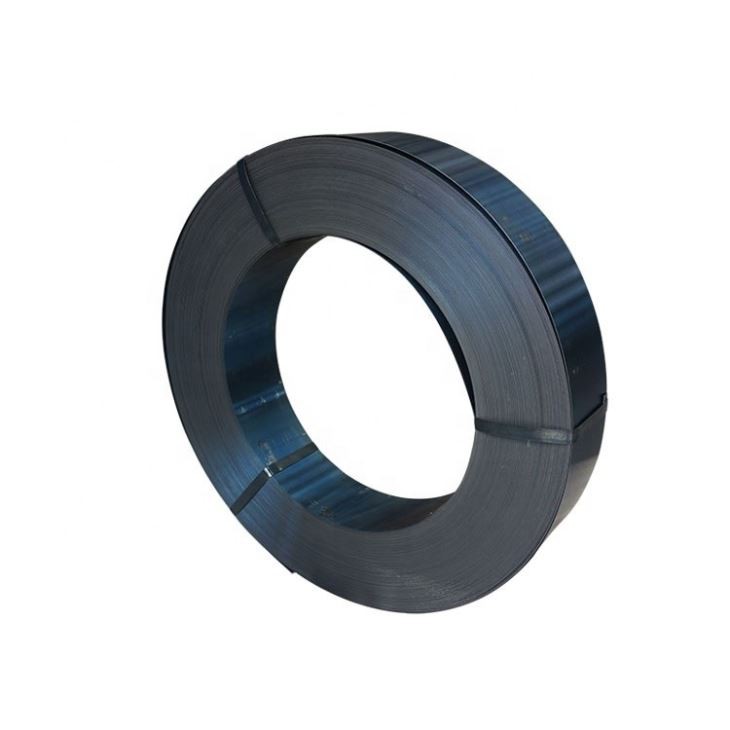

Understanding Spring Steel Strip
Before delving into the cutting precautions, it's essential to understand the characteristics of spring steel strip. Spring steel is a type of high-carbon or alloy steel that is known for its excellent elasticity and resistance to deformation. This makes it ideal for applications where springs, clips, and other components need to maintain their shape under stress.
We offer a wide range of spring steel strip products, including 9260 Spring Steel Strip, Sk5 Spring Steel Strip, and 65mn Spring Steel Strip. Each type of spring steel strip has its unique properties and applications, so it's important to choose the right one for your specific needs.
Precautions for Cutting Spring Steel Strip
1. Select the Right Cutting Tools
The choice of cutting tools is crucial when cutting spring steel strip. Using the wrong tools can result in poor cut quality, excessive tool wear, and even damage to the material. Here are some tips for selecting the right cutting tools:
- Saw Blades: For straight cuts, a high-speed steel (HSS) or carbide-tipped saw blade is recommended. These blades are designed to withstand the high cutting forces and heat generated when cutting spring steel. Make sure to choose a blade with the appropriate tooth pitch for the thickness of the spring steel strip.
- Shearing Tools: Shearing is a common method for cutting spring steel strip. Use sharp shearing blades made of high-quality tool steel to ensure clean and precise cuts. The blades should be properly aligned and adjusted to prevent burrs and deformation.
- Laser Cutting Machines: Laser cutting is a precise and efficient method for cutting spring steel strip. It offers high accuracy, minimal heat-affected zone, and the ability to cut complex shapes. However, laser cutting machines require specialized equipment and expertise, so make sure to work with a professional if you choose this method.
2. Prepare the Work Area
Proper preparation of the work area is essential to ensure safety and accuracy when cutting spring steel strip. Here are some steps to follow:
- Clean the Surface: Before cutting, clean the surface of the spring steel strip to remove any dirt, oil, or debris. This will prevent the cutting tools from getting clogged and ensure a clean cut.
- Secure the Material: Use clamps or a vice to secure the spring steel strip firmly in place. This will prevent the material from moving during the cutting process, which can result in inaccurate cuts and damage to the tools.
- Wear Protective Gear: Always wear appropriate protective gear, such as safety glasses, gloves, and ear protection, when cutting spring steel strip. This will protect you from flying debris, sharp edges, and noise.
3. Control the Cutting Speed and Feed Rate
The cutting speed and feed rate are important factors that affect the quality of the cut and the life of the cutting tools. Here are some guidelines to follow:
- Cutting Speed: The cutting speed should be adjusted based on the type of cutting tool, the thickness of the spring steel strip, and the material properties. Generally, a slower cutting speed is recommended for thicker materials and harder steels to prevent excessive tool wear and heat generation.
- Feed Rate: The feed rate refers to the speed at which the cutting tool moves through the material. It should be adjusted to ensure a smooth and continuous cut. A too-high feed rate can cause the cutting tool to break or the material to deform, while a too-low feed rate can result in poor cut quality and excessive tool wear.
4. Monitor the Cutting Process
During the cutting process, it's important to monitor the cutting tools and the material to ensure everything is going smoothly. Here are some things to look out for:
- Tool Wear: Check the cutting tools regularly for signs of wear, such as dull edges, chipping, or excessive heat. Replace the tools as needed to maintain the quality of the cut.
- Cut Quality: Inspect the cut edges of the spring steel strip for burrs, roughness, or deformation. If the cut quality is poor, adjust the cutting speed, feed rate, or cutting tool as necessary.
- Heat Generation: Excessive heat generation during the cutting process can cause the material to harden or warp. Use a coolant or lubricant to reduce heat and friction, and allow the material to cool down between cuts if necessary.
5. Post-Cutting Treatment
After cutting the spring steel strip, it's important to perform some post-cutting treatment to ensure the quality and performance of the final product. Here are some common post-cutting treatments:
- Deburring: Remove any burrs or sharp edges from the cut edges of the spring steel strip using a deburring tool or sandpaper. This will improve the safety and appearance of the product.
- Cleaning: Clean the cut spring steel strip to remove any cutting debris, coolant, or lubricant. This will prevent corrosion and ensure the material is ready for further processing or use.
- Heat Treatment: Depending on the application, the cut spring steel strip may need to undergo heat treatment to improve its mechanical properties, such as hardness, strength, and elasticity. Consult with a heat treatment specialist to determine the appropriate heat treatment process for your specific needs.
Conclusion
Cutting spring steel strip requires careful planning, the right tools, and proper techniques to ensure the quality and performance of the final product. By following the precautions outlined in this blog post, you can minimize the risk of errors, improve the cut quality, and extend the life of your cutting tools.
As a trusted supplier of spring steel strip, we are committed to providing our customers with high-quality products and expert advice. If you have any questions or need assistance with cutting spring steel strip, please don't hesitate to contact us. We look forward to working with you and helping you achieve your goals.
References
- ASM Handbook, Volume 1: Properties and Selection: Irons, Steels, and High-Performance Alloys. ASM International, 1990.
- Metals Handbook Desk Edition, 3rd Edition. ASM International, 2005.
- Spring Design Manual. Associated Spring, 1987.